What is Digital Asset Management?
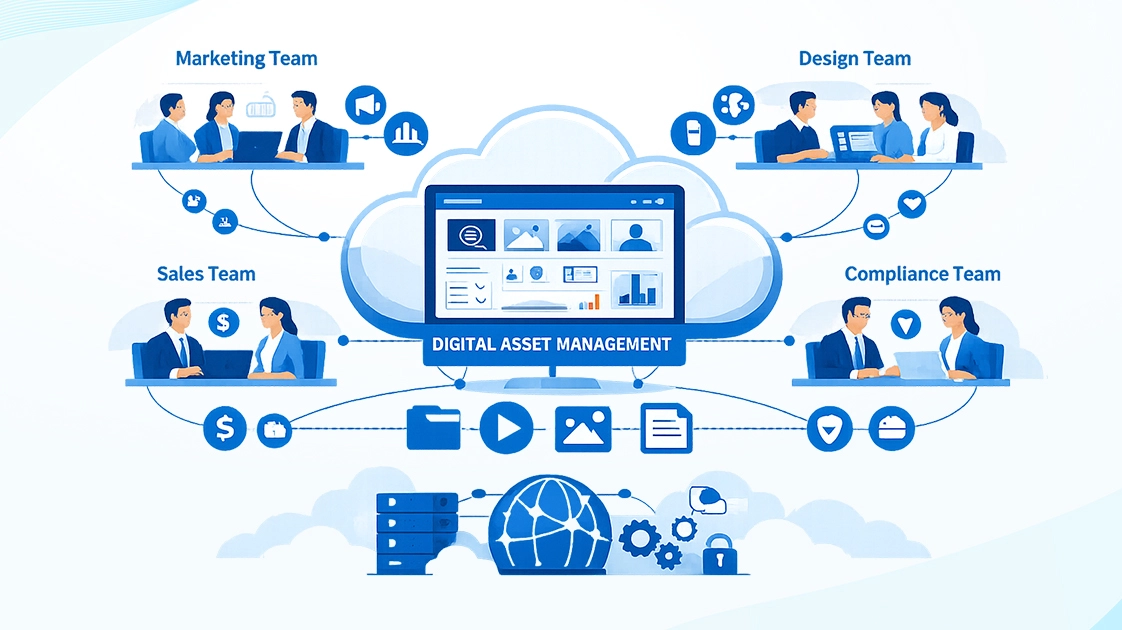
Digital Asset Management, commonly known as DAM, refers to the process of storing, organizing, managing, and distributing digital files from a centralized system. These digital assets include images, videos, documents, presentations, brand logos, audio files, and other creative content used by businesses daily.
A DAM solution provides more than simple file storage. It allows organizations to categorize assets using metadata, apply access controls, track versions, and ensure teams always use approved and updated content. Digital asset management systems help businesses maintain order as their digital libraries grow and become more complex.
Why is Digital Asset Management Important?
Today, businesses produce a massive amount of digital content across departments and platforms. Without a structured system, assets often end up scattered across shared drives, emails, and personal devices. This leads to wasted time, duplicated work, and inconsistent branding.
Digital asset management programs solve these issues by creating a single reliable source for all digital assets. Teams can quickly find what they need to reuse content efficiently and collaborate without confusion. DAM also improves governance by ensuring that only authorized users can access sensitive or licensed assets.
DAM in Different Industries
Digital asset management systems are used across a wide range of industries, each with unique needs:
- Marketing & Advertising: Manage campaign creatives, brand guidelines, and multimedia assets across channels.
- Retail & E-commerce: Organize product images, videos, and descriptions for consistent omnichannel experiences.
- Healthcare & Life Sciences: Securely store compliant digital content such as training materials, visuals, and documentation.
- Education & Corporate Training: Centralize learning materials, presentations, and multimedia resources.
- Manufacturing & B2B: Manage technical documents, product manuals, and sales enablement assets.
DAM solutions adapt to industry-specific workflows while maintaining governance and security.
Benefits of the DAM Solution
Implementing a digital asset management solution delivers measurable value across the organization:
Improved Efficiency
Employees spend less time searching for assets and more time using them productively.
Brand Consistency
Approved logos, templates, and visuals ensure consistent brand representation everywhere.
Enhanced Collaboration
Teams, agencies, and partners can securely access shared assets from anywhere.
Better Asset Utilization
Reuse existing content instead of recreating assets, saving time and cost.
Stronger Security & Control
Role-based access, permissions, and audit trails protect sensitive assets.
Scalability
DAM systems grow with your content library and business needs.
What Does a Digital Asset Management Solution Actually Do?
A DAM solution provides a structured framework for managing the entire lifecycle of digital assets. Key functionalities include:
- Centralized Asset Repository: All assets stored in one organized location.
- Metadata & Tagging: Smart tags and keywords make assets searchable within seconds.
- Version Control: Track updates and maintain access to the latest approved files.
- Workflow Management: Streamline approvals, reviews, and publishing processes.
- Access Management: Control who can view, edit, download, or share assets.
- Integration Capabilities: Connect with CMS, CRM, marketing automation, and creative tools.
- Analytics & Reporting: Monitor asset usage, performance, and ROI.
These capabilities turn digital asset management systems into strategic tools, not just storage platforms.
What We Offer in DAM Solutions
We design customized DAM structures that match your business workflows and operational needs. Our solutions integrate smoothly with your existing platforms, making adoption simple and hassle-free for your teams.
We organize your documents in a well-defined structure with clear hierarchies and controlled access levels. Approval-based access ensures that sensitive documents are only available to authorized users, helping maintain proper processes and strong security.
Our team implements advanced metadata frameworks to make asset search fast and accurate. With powerful search capabilities, users can quickly find the right content when they need it.
Our DAM solutions also include strong security controls, compliance support, and flexible deployment options such as cloud and on-premises environments to suit your infrastructure preferences.
From strategy and implementation to optimization and ongoing support, we work closely with organizations to help them maximize the value of their digital assets.
Top DAM Solutions
Liferay
A digital experience platform that includes DAM capabilities to organize, manage, and deliver digital content, along with portal collaboration and content management tools.
Adobe Experience Manager
Part of the Adobe Experience Cloud, this DAM solution is ideal for teams using Adobe Creative tools and large-scale digital experiences.
Brandfolder
Digital asset management solution built for brands that need simple organization, smart analytics, and easy distribution.
FAQs
1. What is the difference between DAM and cloud storage?
Cloud storage focuses on file saving, while DAM provides structured management, search, governance, and workflow automation.
2. Is DAM suitable for small businesses?
Yes. Digital asset management programs can be customized based on the volume of capacity and exploiter want, so they are valuable to all sizes.
3. Can DAM integrate with marketing tools?
Most modern DAM solutions integrate with CMS, CRM, design tools, and marketing automation platforms.
4. Is DAM secure?
Yes. DAM systems include access controls, encryption, and audit logs to protect digital assets.
5. How long does DAM implementation take?
Implementation timelines vary depending on asset volume, integrations, and customization requirements. Normally, it can be in range of 3 to 6 months.