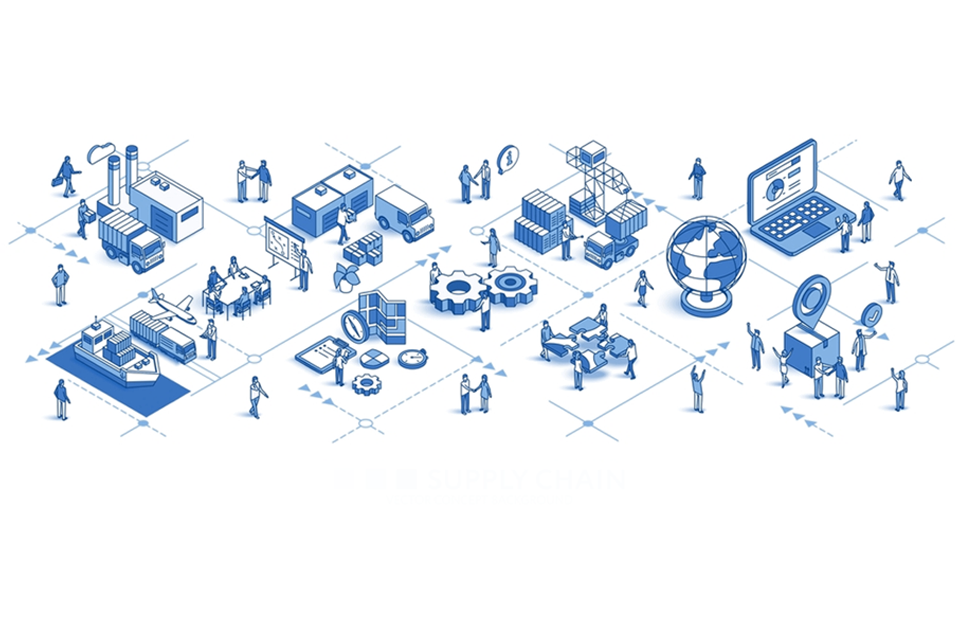
Digital transformation is all about using new technology to make a business run better, smarter, and more efficiently. It's about changing how a business works, how it talks to customers, and how it makes decisions. You could use software systems, automation, and data analytics to do this.
Businesses use digital technology instead of old or manual ones to make things easier, deliver better customer service, and stay ahead of the competition. Digital transformation may help businesses grow, adapt, and do well in a digital world that is continually changing.
How Digital Transformation Solutions Boosts Business Outcomes?
When a business goes through digital transformation, it starts to see big changes in how well it functions and how much it gets done. Digital tools and automation help workers finish activities more quickly, with fewer mistakes, and at a lesser cost every day. Data insights help teams understand more about their customers, make good guesses about how the market will change, and make effective choices.
This helps things run more smoothly, makes it easier to talk to consumers, and makes them happier, all of which are excellent for the business's success.
People also think about new things because of the digital revolution. It helps you come up with new items, attract more customers, and adjust your business or customers more quickly when things change. Technology gives businesses the tools they need to defeat their competitors and stay in business for a long time in a world of business that is always evolving.
Important Parts of Digital Transformation Roadmap
To make a successful change, there are a few basic ideas that guide how technology is used and abused for progress. These pillars assist businesses to make sure that their digital activities really do add value and make things work better.
1. Improving and automating processes
The first thing to do is to make everyday tasks easier. Odoo and other ERP solutions can help organizations automate tasks they do over and over again, make fewer mistakes when they do things by hand, and make their workflows more efficient. This saves a lot of time and gives workers time to come up with fresh ideas and work towards big goals.
2. Taking care of things that happen
People want it to be simple to do business online these days. Businesses can use Adobe Experience Manager (AEM) and other systems to manage and alter the content on websites, mobile apps, and other channels. This gets consumers more interested, strengthens relationships, and gives them a consistent brand experience.
3. Growth and Joining
When businesses get bigger, their systems need to work effectively together. Using APIs, a headless CMS, or Liferay DXP to connect platforms makes sure that data moves quickly between departments. This not only makes things more flexible, but it also breaks down data silos, which is beneficial for long-term growth.
4. Making decisions based on facts
Data is what helps you make informed business decisions. Businesses may plan better and learn more about how customers act by using analytics and data in real time. This evidence-based technique takes away the guesswork and gives you clarity and confidence.
These pillars work together to make a robust digital strategy that keeps firms functioning smoothly, helps them come up with new ideas all the time, and delivers customers long-lasting value.
How to Implement Digital Transformation Strategies
Having a clear objective and sticking to it are the first things you need to do to change. The process changes throughout time to meet the needs of the market and the goals of the business.
Here's a simple plan to get you started:
Challenges Businesses Face During Transformation
Digital transformation has a lot of nice things about it, but it also has some undesirable things. Some common problems are people not wanting to change, old infrastructure, not knowing if the money spent will pay off, and data systems that don't work well together.
To get past these problems, businesses require strong leaders, robust communication, and the ability to change. A culture that encourages new ideas, trying new things, and learning helps maintain growth steadily and risks low.
Digital Transformation Scale Agile Solutions
Digital transformation scale agile solutions help businesses move faster, stay flexible, and respond quickly to market changes. By combining digital innovation with agile principles, companies can streamline their processes, improve collaboration, and deliver better value to customers. These solutions focus on breaking down large projects into manageable stages, allowing teams to test, learn, and adapt continuously. This approach reduces risks, boosts efficiency, and ensures that digital initiatives align with real business needs.
Implementing digital transformation scale agile solutions also encourages a culture of innovation and teamwork across the organization. It empowers teams to make data driven decisions, embrace new technologies, and adjust strategies based on real-time feedback. As a result, businesses can scale their digital efforts more effectively, improve their time to market, and maintain a competitive edge in an ever-changing digital landscape.
Conclusion
Digital transformation isn't only about keeping up with the latest digital trends; it's also about staying ahead of the curve. Companies that embrace digital innovation not only perform more efficiently, but they also create new opportunities and methods of working.Businesses can be more creative, productive, and customer-friendly when they use the proper strategy, technology, and culture together.
There may be problems along the way to change, but the benefits make it worth it. Companies that do things today to go ahead will see long-term growth, smoother operations, and better leadership in the market. Companies may confidently design their future in the digital age by adjusting early and welcoming change.